01 / 03
Your keys stay yours
Private keys are created and kept inside the device. They never need to touch an internet-connected computer or phone.
A Trezor hardware wallet keeps your private keys offline, so you stay in control of your crypto—one deliberate approval at a time.
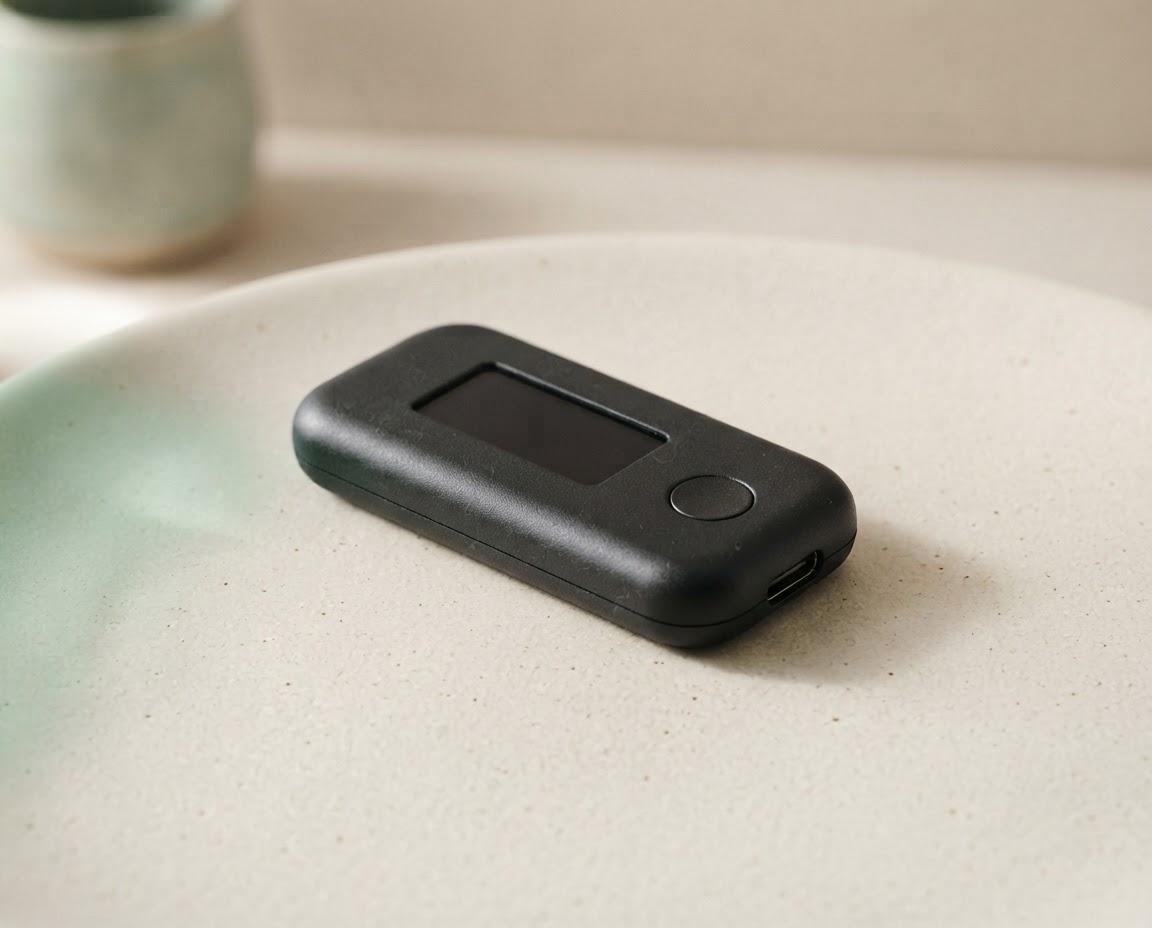
Online accounts can be exposed to phishing, malware, and data breaches. A hardware wallet adds a separate layer: your private keys remain on a dedicated device rather than on your computer or phone.
Learn the basics of hardware walletsKeep signing keys separate from the connected screen. Check the details on your Trezor before you approve.
Self-custody should feel clear—not complicated. Trezor puts the important security choices in your hands.
Private keys are created and kept inside the device. They never need to touch an internet-connected computer or phone.
Check transaction details on the wallet itself and confirm with a physical action. A compromised screen cannot silently sign for you.
You hold the recovery backup and control access. Your wallet is yours to manage—without relying on an exchange to release your funds.
Security depends on your habits, too. Never share your recovery seed, and only use official Trezor software and trusted sources.
Both types of wallets can be useful. The right choice depends on how you use crypto and the level of control you want.
Either way, a carefully protected recovery backup is essential.
Plug in your Trezor or connect it to your phone, then open the official Trezor Suite app.
Set a PIN and write down your recovery seed offline. Keep it private and somewhere safe.
Review the address and amount on your device screen every time you approve a transaction.
New to hardware wallets? Start here, then explore the Trezor learning center for more.
Explore Trezor LearnA hardware wallet is a small physical device that keeps the private keys used to access your crypto separate from your everyday internet-connected devices. It helps you approve transactions on the device before they are signed.
Your crypto lives on its blockchain, not inside the device. The wallet protects the private keys that prove ownership and let you authorize transactions.
A lost device does not automatically mean lost funds. Your recovery seed can restore access using a compatible wallet. This is why it should be backed up offline, kept private, and never entered into an untrusted website or app.
No security tool removes every risk. Protect your recovery seed, verify transaction details on the device, keep your software up to date, and be alert to phishing and impersonation attempts.
Understand your options and build confidence in how you protect your digital assets.
Explore the Trezor learning center